Social Media

Social Media

How WillowCress Consulting Helps Local Brands Win on Social Media

Social media has transformed the way businesses connect with their audiences, and knowing how local brands can win on social media has never been more important. For small and community-based businesses, social media isn’t just a platform—it’s a powerful game-changer that allows them to amplify their voice, build meaningful relationships with their customers, and compete with larger competitors without massive advertising budgets. With just one post, a local café can showcase its newest pastry to thousands of potential customers, while a boutique shop can turn a single product into a trending favorite. But while the opportunities are tremendous, many local businesses find themselves struggling to see results. Low engagement, inconsistent posting, and difficulty standing out in an already crowded digital space are common pain points. What begins as excitement about reaching new customers often turns into frustration when posts don’t generate likes, shares, or sales. This is where WillowCress Consulting steps in. By showing exactly how it helps local brands win on social media, WillowCress serves as a trusted partner that ensures businesses don’t just survive but thrive online. Through authenticity, consistency, and storytelling, WillowCress helps local businesses leverage the power of social media while staying true to what makes them unique. Understanding the Local Brand Advantage Local businesses hold a natural advantage in today’s marketplace: their authenticity. Unlike large corporations, local brands are deeply woven into the fabric of their communities. They don’t just sell products or services; they create connections. The WillowCress Consulting Difference What makes WillowCress Consulting stand out is its focus on identity-driven marketing. Rather than pushing cookie-cutter strategies, WillowCress works to understand each brand deeply—its story, its customers, and its values—before building a tailored social media plan. Why Local Brands Trust WillowCress Consulting Local businesses don’t just need marketers—they need partners who understand their challenges and value their individuality. This is why so many brands place their trust in WillowCress Consulting. Conclusion That’s why WillowCress Consulting exists: to help local brands harness the full potential of social media while staying true to their roots. By focusing on authenticity, crafting brand-centered content, and maintaining consistency across all channels, WillowCress ensures that businesses can build strong, lasting connections with their communities online. If you’re a local brand ready to strengthen your digital presence, now is the time to act. Your story deserves to be heard, your voice deserves to stand out, and your business deserves to thrive. With WillowCress Consulting as your partner, you’ll not only maintain a strong and authentic social media identity—you’ll also create opportunities for long-term growth and deeper customer loyalty. Don’t let your brand get lost in the noise. Take your social media presence seriously, and let WillowCress Consulting help your business win online.

Social Media

Building Your Retail Business in the Digital Age with Social Media

Introduction The retail landscape has undergone a dramatic transformation in the digital age. Traditional brick-and-mortar stores now compete with a vast online marketplace, where customers have the convenience of shopping from their homes and a plethora of choices at their fingertips. With evolving customer expectations, it’s crucial for retail businesses to establish a strong online presence to stay relevant and competitive. Social media has emerged as a powerful tool to not only build brand awareness but also enhance customer engagement and drive sales. By leveraging the right social media strategies for retail business, retailers can effectively navigate this digital era and thrive. Navigating the Social Media Landscape for Retail Understanding the Major Platforms Identifying Relevant Platforms To make the most out of social media, retailers need to identify platforms that align with their target audience and brand identity. Facebook remains a staple for reaching a broad demographic, offering diverse advertising options and detailed analytics. Instagram, with its visual-centric approach, is perfect for showcasing products through high-quality images and stories. TikTok, the newest contender, appeals to younger audiences with short, engaging videos that can go viral. Understanding where your customers spend their time and tailoring your presence accordingly is crucial. Researching Features and Functionalities Each platform has unique features that can be utilized to enhance your marketing efforts. Facebook’s ad manager allows for highly targeted ads based on user behavior and demographics. Instagram’s shopping feature enables direct purchases from posts, while TikTok’s algorithm promotes discoverability through trending content. Familiarizing yourself with these features ensures that you are leveraging each platform’s full potential. Defining Your Social Media Goals Setting Clear Objectives Before diving into social media, establish clear objectives that align with your overall business goals. Are you aiming to boost brand awareness, increase website traffic, generate leads, or drive sales? Defining these goals helps in crafting focused strategies. For instance, if your goal is to enhance brand awareness, your content should emphasize storytelling and showcase your brand’s personality. Aligning Goals with Target Audiences Different platforms cater to various demographics, so it’s essential to align your goals with the specific audiences you’re targeting. Tailor your content to address the interests and preferences of your audience on each platform. For example, Instagram might be ideal for visually appealing product showcases, while Facebook could be better for community engagement and detailed posts. Engaging Content Strategies for Retail BusinessesCreating Captivating Visuals Utilizing High-Quality Photos and Videos Visual content is key in social media marketing. High-quality photos and videos that showcase your products in appealing settings can capture attention and drive interest. Ensure that your visuals are well-lit, professionally shot, and highlight the features and benefits of your products effectively. Leveraging Creative Storytelling and User-Generated Content (UGC) Storytelling helps create a connection with your audience. Share stories about your products, customer experiences, or behind-the-scenes glimpses of your brand. User-generated content, such as customer reviews and photos, can further engage your audience and build trust. Experimenting with Different Formats Different content formats can keep your audience engaged. Live streams and product demonstrations allow for real-time interaction and showcase your products dynamically. Behind-the-scenes content can humanize your brand and build a stronger connection with your audience. Informative and Engaging Content Sharing Product Information and Benefits Informative content helps educate your customers about your products. Highlight unique features, benefits, and solutions your products offer. This type of content can also address common customer questions and concerns, positioning your brand as an expert in your field. Engaging Customers with Interactive Content Interactive content such as polls, quizzes, and contests can generate excitement and boost engagement. These activities encourage participation and provide valuable insights into your audience’s preferences. Utilizing Social Media Storytelling Share your brand’s story, values, and mission through social media storytelling. Connecting on an emotional level with your audience can foster loyalty and deepen your relationship with customers. Strategies for Driving Sales and Customer EngagementPromoting Products and Special Offers Utilize Social Media Advertising Social media advertising allows you to target specific demographics and locations, making it easier to reach potential customers who are most likely to be interested in your products. Tailor your ads to highlight special offers and promotions to entice purchases. Introduce New Products and Announce Promotions Use your social media channels to introduce new products and announce exciting promotions or discounts. Creating buzz around these updates can drive traffic to your store and increase sales. Leverage Instagram Shopping Instagram Shopping enables users to purchase products directly from your posts. This feature provides a seamless shopping experience and can drive sales by reducing friction in the purchasing process. Building Strong Customer Relationships Respond Promptly to Comments and Messages Demonstrating responsiveness to comments, messages, and reviews builds trust and shows that you value customer feedback. Effective customer service through social media can enhance your brand’s reputation and foster loyalty. Run Interactive Campaigns Interactive campaigns like “Ask Me Anything” sessions can facilitate communication and build trust with your audience. These campaigns provide opportunities for real-time engagement and address customer inquiries directly. Encourage Customer Loyalty Programs Reward repeat customers through loyalty programs promoted on social media. Offering exclusive discounts or perks to loyal followers can increase customer retention and encourage repeat business. Leveraging Social Media Data for OptimizationUtilizing Social Media Analytics Tools Social media analytics tools provide valuable insights into key metrics such as reach, engagement, website traffic, and conversions. Analyzing this data helps you understand what’s working and where improvements can be made. Identifying Effective Content Types and Strategies Track which content types and strategies resonate best with your audience. This information allows you to refine your content approach and focus on what drives the most engagement and conversions. Monitoring Trends and Adapting Your Approach Stay updated with social media trends and adapt your strategy accordingly. Continuous monitoring and refinement based on data insights ensure that your approach remains effective and aligned with your goals. Additional Tips for SuccessEmbrace a Consistent Posting Schedule Maintain a regular posting schedule to keep your audience engaged and informed. Consistency helps build anticipation

Social Media

Beyond the Trolls, Trends and Hype: How to Manage Diverse Challenges of Social Media for Business

Introduction Social media represents a double-edged sword for businesses. On one side, it offers an unprecedented opportunity to reach and engage with a global audience, drive brand awareness, and generate leads. On the other hand, it presents significant challenges that can undermine these benefits if not managed effectively. The diverse nature of social media challenges for business—from negative interactions to security concerns—requires a strategic approach to harness the full potential of social media while mitigating risks. This blog post will explore the multifaceted challenges businesses face on social media and offer practical strategies to navigate them successfully. Understanding the Diverse Landscape of Challenges Negative Interactions Dealing with Trolls and Online Negativity Social media platforms are breeding ground for trolls and negativity, including flaming, hate speech, and cyberbullying. These disruptive behaviors can damage a brand’s reputation and erode trust. To manage these social media marketing challenges, businesses need a robust strategy for monitoring and responding to negative interactions. This includes setting clear guidelines for acceptable behavior and ensuring that responses are timely, professional, and aimed at de-escalating conflicts. Addressing Negative Reviews and Complaints Negative reviews and complaints are inevitable but can be managed effectively with a proactive approach. Respond promptly and empathetically, offering solutions or resolutions where possible. A well-crafted response can demonstrate commitment to customer satisfaction and turn a potentially harmful situation into a positive reflection of your customer service. Content Management and Engagement Creating Engaging and Relevant Content Consistency in content creation is crucial across various social media platforms. One of the social media marketing challenges of businesses is to develop content that resonates with their target audience while adapting to each platform’s formats and best practices. This includes crafting compelling social media posts, using visuals effectively, and maintaining a content calendar to ensure regular and relevant updates. Maintaining Consistency in Voice and Messaging While adapting to platform-specific formats, it’s vital to maintain a consistent brand voice and messaging. This helps build a recognizable brand identity, and fosters trust with your audience. Balancing this consistency with the need for platform-specific adjustments can be challenging, but it is key to effective social media management. Fostering Active Audience Participation Building a loyal community requires more than posting content; it involves actively engaging with your audience. Encourage participation through interactive content, such as polls and Q&A sessions, and promptly respond to comments and messages. This engagement helps nurture a sense of community and loyalty among your followers. Metrics and Analytics Understanding and Interpreting Data Social media analytics tools provide valuable insights into the performance of your content and campaigns. Understanding these metrics—such as engagement rates, click-through rates, and follower growth—is essential for evaluating the effectiveness of your strategy. This data should guide your decisions and help you refine your approach to achieve better results. Measuring the Effectiveness of Content and Campaigns Regularly measuring the success of your content and campaigns allows you to identify what works and what doesn’t and this is one of the challenges that social media marketers constantly face. Use analytics to assess the impact of different content formats, social media post times, and campaign strategies. This information helps optimize future efforts and demonstrate your social media activities’ return on investment (ROI). Demonstrating ROI Proving the value of social media investments is crucial for securing continued support and resources. Track key performance indicators (KPIs) that align with your business goals, such as lead generation, conversion rates, and customer acquisition costs. Providing clear evidence of ROI helps justify your social media budget and strategy. Security and Privacy Concerns Protecting Sensitive Information With the rise of cyber threats, protecting sensitive company information and customer data is a top priority. Implement robust security measures, such as strong passwords, two-factor authentication, and regular security audits, to safeguard your social media accounts and related data. Maintaining Compliance with Data Privacy Regulations Adhering to data privacy regulations, such as GDPR or CCPA, is essential for avoiding legal repercussions and maintaining customer trust. Ensure that your social media practices comply with relevant regulations and update your privacy policies as needed to reflect any changes in data handling procedures. Educating Employees Educating your team about responsible social media use and potential risks is vital. Provide training on best practices, security protocols, and how to handle sensitive information. This helps in mitigating the risk of accidental breaches or missteps that could harm your business. Mastering Social Media: Strategies for Overcoming Challenges Develop a Comprehensive Social Media Policy A detailed social media policy guides your team’s online behavior and content creation. Outline your brand’s voice, content guidelines, and procedures for managing negative interactions. Establish clear expectations for employee conduct on social media to ensure consistency and professionalism. Invest in Social Listening Tools Social listening tools can help you stay ahead of potential issues and track industry trends. By monitoring brand mentions and analyzing online conversations, you can identify emerging problems, gauge sentiment, and adapt your strategy accordingly. Build a Dedicated Social Media Team A dedicated social media team combines strategic planning, content creation, community management, and analytics expertise. This specialized team can handle the diverse aspects of social media management, ensuring timely responses, effective engagement, and strategic oversight. Embrace Data-Driven Decision Making Utilize data-driven insights to inform your social media strategy. Conduct A/B testing to evaluate different content formats and posting schedules and use analytics to understand audience preferences. Set clear goals and objectives to measure success and refine your approach based on performance data. Additional Tips for Effective Social Media Management Partnering with Influencers Collaborating with influencers can extend your reach and enhance credibility. Identify influencers who align with your brand values and genuinely connect with your target audience. Work with them to co-create content or promote your products/services effectively. Utilizing Social Media Scheduling Tools Social media scheduling tools can streamline your content publishing process. They help maintain consistency across platforms, manage content calendars, and improve efficiency in your social media operations. Staying Informed About Trends and Updates Social media is a dynamic field with constantly evolving trends and

Social Media

Selling Homes in the Digital Age: The Crucial Role of Social Media Marketing

The real estate industry has undergone significant changes with the advent of online platforms. Real estate agents and professionals must adapt their strategies to utilize these tools to stay ahead effectively. Social media marketing for real estate business has become vital, offering a unique opportunity to reach a broader audience and attract potential buyers. It is no longer just a supplementary tool but a crucial element of a modern real estate approach. Understanding the Power of Social Media Marketing Social media platforms have revolutionized marketing by offering extensive reach and sophisticated targeting capabilities. Real estate agents and professionals must understand these marketing strategies, and here’s how: Extensive Reach and Audience Targeting Social media platforms like Facebook, Instagram, and LinkedIn offer access to global audiences, allowing real estate professionals to reach a wide range of potential buyers. These platforms provide advanced targeting options that enable users to refine their audience based on location, age, and interests, ensuring that marketing efforts are precise and effective. Engaging Content Creation Showcasing Properties Real estate agents and professionals need high-quality photos and videos are essential for highlighting a property’s unique features. Engaging visuals capture the attention of potential buyers and generate excitement. Virtual Tours Utilize 360° technology or live video streams to offer immersive experiences that allow prospective buyers to explore properties from their homes through your chose social platform, such as Instagram stories.  Fostering Connections Building Brand Awareness Consistent and engaging content on your social media accounts help establish a recognizable brand and increases visibility in the crowded real estate market. Establishing Credibility Sharing valuable information and showcasing your expertise on various real estate social social media channels, it builds trust and positions you as a knowledgeable authority in the real estate field. Building a Winning Social Media Marketing Strategy for Real Estate To effectively leverage social media marketing strategy for real estate marketing, follow these key strategies: Identifying Your Target Audience Defining Your Ideal Buyer Persona Understand the characteristics of your ideal buyer, including age, interests, demographics, and location. Selecting Relevant Platforms Choose platforms that align with where your target audience is most active. For example: Facebook: Real estate social channel which is ideal for reaching a broad audience and potential customers. Instagram: If you’re looking for a real estate social media channel to showcase visually appealing properties.  LinkedIn: Useful for professional connections and networking and industry-related news and social media content. Creating Engaging and Informative Content High-Quality Visuals: Real estate content must use professional photos and videos to highlight a property’s features and surroundings. Virtual Tours: Offer interactive experiences through 360° technology or live video streams on your social media channels. Informative Captions: Include in your social media posts detailed information about the property, neighborhood amenities, and local attractions. Relevant Content: Share market updates, real estate tips, and advice for home buyers and potential clients. Effective Engagement Strategies Interactive Polls and Quizzes: Run polls and quizzes to gather insights about audience preferences and potential clients. Live Q&A Sessions: Social media posts such as hosting sessions with real estate experts to address common questions and showcase your knowledge. Responsive Communication: Quickly respond to comments and messages to demonstrate excellent customer service. User-Generated Content (UGC): Encourage satisfied clients to share their experiences, property photos, and client testimonials and highlight this content on your social media channels for potential clients to see.  Utilizing Paid Advertising Options Targeted Campaigns: Create tailored advertising campaigns focusing on specific demographics, interests, and locations. Promotional Offers: Advertise properties, open houses, and special offers to attract a wider audience and to reach your potential customers. Performance Tracking: Monitor ad performance and adjust campaigns based on data insights to maximize effectiveness. Measuring Your Success and Adapting Your Strategy To ensure your social media efforts are practical, regularly measure and adapt your strategy: Additional Tips for Success in Social Media Real Estate Marketing Conclusion Incorporating social media marketing into your real estate strategy offers significant advantages, from reaching a broader audience to enhancing engagement and credibility. The digital landscape is dynamic, requiring continuous learning and adaptation. Embrace social media marketing to unlock its potential, connect with more buyers, and close more deals. Start today and leverage the power of social media to elevate your real estate business to new heights.

Social Media

Start Strong, Stay Stronger: 7 Reasons to Leverage Social Media for Startup Business

Startups face a fiercely competitive landscape. With countless new businesses emerging daily, standing out and establishing a strong presence is crucial. For many startups, the journey from obscurity to success begins with creating brand awareness and attracting potential customers. Social media for startup business offers a robust, cost-effective tool for achieving these goals, and understanding how to leverage it can set your startup on a path to sustained growth. 7 Reasons Why Social Media is Crucial for Startups Building Brand Awareness and Visibility Reaching a Wider Audience Social media platforms provide a unique opportunity to reach a broader audience and gain exposure for your startup. By maintaining an active presence on channels like Instagram, Facebook, and Twitter, you can create a solid online footprint that enhances brand recognition. Creating a Strong Online Presence Consistently posting updates on product launches company milestones, and engaging visuals helps increase your visibility and attract potential customers. Effective use of hashtags and tags can further amplify your reach. Connecting with Your Target Audience Identifying Ideal Customers Social media allows you to connect with your audience on platforms they frequent. Understanding where your target customers spend their time enables you to tailor your content and interactions to their preferences. Building Relationships and Community Engage with your audience by fostering a sense of community around your brand. Regular interactions through comments, messages, and polls help build relationships and loyalty. Utilizing Social Listening Tools Social listening tools provide valuable insights into your audience’s needs and interests. This information allows you to refine your social media strategy and effectively address customer concerns.  Cost-Effective Marketing and Promotion Leveraging Organic Reach One of social media’s most significant advantages is its cost-effectiveness. Organic reach allows you to promote your products or services without substantial financial investment. Creating high-quality, shareable content can drive engagement and visibility. Targeting Specific Demographics Platforms offer targeted paid advertising options that allow you to reach specific demographics and interests at a fraction of the cost of traditional advertising. This ensures that your marketing efforts are reaching the right people. Measuring ROI Tracking and analyzing social media campaigns’ return on investment (ROI) helps you understand their effectiveness. Metrics like engagement, click-through, and conversion rates provide insights into campaign performance. Building Brand Storytelling and Authenticity Sharing Your Brand Story Social media is a powerful tool for sharing your brand’s story, values, and mission. Craft engaging content that reflects your brand’s personality and connects with your audience on an emotional level. Humanizing Your Brand Humanizing your startup through authentic and relatable content helps establish a deeper connection with your target audience. Showcasing behind-the-scenes content, team stories, and customer testimonials can enhance your brand’s credibility. Utilizing Active User-Generated Content (UGC) Encourage your target audience to create and share content related to your brand. UGC not only showcases your brand through the eyes of your customers but also builds trust and authenticity. Customer Engagement Rate and Feedback Fostering Two-Way Communication Social media facilitates two-way communication, allowing you to interact with customers through comments, messages, and polls. This engagement demonstrates that you value their input and are committed to improving their experience. Gathering Valuable Feedback Collect feedback through social media interactions to gain insights into how you can improve your products or services. This feedback loop is crucial for making informed business decisions and enhancing customer satisfaction. Building Trust Through Responsiveness Demonstrating responsiveness by addressing customer concerns and inquiries promptly builds trust. A proactive approach to customer service on social media platforms fosters loyalty and positive brand perception. Driving Traffic and Conversions Directing Website Traffic Social media can drive significant traffic to your website. Incorporate compelling calls to action (CTAs) in your posts to guide your target audience to your site and generate leads. Promoting Special Offers Use social media to promote special offers, discounts, and sales campaigns. Targeted promotions and exclusive deals can incentivize conversions and boost sales. Integrating with Other Marketing Channels Combine social media marketing with your website and other marketing channels for a cohesive approach. This integration ensures a seamless customer journey and maximizes the effectiveness of your overall social media strategy. Staying Ahead of the Curve and Industry Trends Monitoring Industry Trends Social media platforms allow you to stay informed about industry trends and competitor activity. Monitoring these trends helps you identify opportunities for innovation and adapt your strategy accordingly. Identifying Opportunities for Innovation Engage in relevant conversations and explore new trends to discover potential innovations for your startup. Being proactive in adapting to changes keeps your business competitive and relevant. Establishing Thought Leadership Position yourself as an industry thought leader by sharing valuable insights and participating in discussions. Engaging with industry leaders and experts further enhances your credibility and visibility. Conclusion Leveraging social media offers numerous benefits for startup success, from building brand awareness to driving conversions and staying ahead of industry trends. A strategic and consistent approach to social media can significantly impact your startup’s growth and long-term success. Embrace the power of social media and embark on your journey to success by making it a core component of your business strategy. Your startup’s bright future may be a social media post away.

Social Media

Social Media Branding for Small Business – The Benefits of Branding for Your Business

A solid online presence is essential for any business. More than establishing a website, businesses should recognize that social media branding for small businesses is also a powerful strategy. It’s an essential tool for engaging with customers and building a brand. Social media branding—creating a consistent and recognizable image across various platforms—plays a crucial role in helping small businesses stand out and thrive. Understanding Social Media Branding: Defining Your Business IdentityWhat is Social Media Branding? Social media branding involves crafting a cohesive and recognizable identity for your business across all social platforms. It’s about more than just having a presence; it’s about presenting a unified image that resonates with your social media users, especially your target audience, and reflects your business’s values and personality. Critical Elements of a Strong Social Media Brand Brand Voice Your brand voice is the tone and personality used in your communications. Whether friendly, professional, or quirky, consistency in your brand voice helps create a relatable and trustworthy image. Visual Identity Consistent use of logos, colors, fonts, and imagery strengthens your visual identity. This visual consistency helps your audience easily recognize your brand and differentiates you from competitors. Brand Values Communicate your core beliefs and mission through your social media presence and different types of content. Sharing what your brand stands for helps build a connection with your audience and reinforces your brand’s identity. Aligning Your Social Media Brand with Your Overall Brand Identity Business owners should understand that consistency is key. Ensuring that your social media branding aligns with your overall brand identity helps maintain coherence and strengthens your brand’s presence across all channels. The Benefits of Social Media Branding for Small BusinessesIncreased Brand Awareness and Recognition Visibility Across Platforms Consistent brand representation across social media platforms boosts visibility and helps your brand stand out. A unified image makes it easier for potential customers to recognize and remember your business. Strong Online Presence Establishing a strong online presence that resonates with your target audience is crucial. Effective branding on social media channels ensures your brand is memorable and distinguishes you from competitors. Building Trust and Credibility Professional and Unified Image A professional and consistent image builds trust with potential customers and target market. Cohesive branding and effective content strategy is important for a successful social media marketing strategy. I also signals reliability and reinforces commitment to brand values. Positive Interactions Engaging positively with your audience through social media platform interactions contributes to a credible and trustworthy brand image. Consistency in communication and response helps build a strong reputation. Enhanced Customer Service, Engagement, and Loyalty Personal Connection Establishing a personal connection with your audience through engaging and visual content and brand storytelling fosters a deeper relationship. When customers feel connected, they are more likely to become loyal supporters. Two-Way Communication Encouraging two-way communication on your social media accounts through comments, messages, and polls helps build stronger relationships with your audience. This interaction shows that you value their input and are committed to meeting their needs. Community Building Creating a community on social channels around your brand and catering to their interests fosters loyalty. Engaging with your audience and addressing their interests helps cultivate a dedicated customer base. Improved Conversion Rates and Sales Targeted Traffic It is crucial for sales to attract the right customers and drive qualified traffic to your website. Social media branding helps you target the right audience and increase the likelihood of conversions. Effective Marketing Campaigns Promoting products or services through well-crafted social media marketing campaigns can drive sales. Compelling calls to action and special offers help convert website visitors into loyal customers. Competitive Advantage in the Marketplace Unique Brand Identity A unique and well-defined brand identity helps you stand out from the competition. Establishing a distinct brand presence positions you as a leader in your industry and attracts a loyal customer base. Thought Leadership Sharing valuable insights and engaging content establishes your business and business goals as a thought leader. Thought leadership enhances your credibility and positions your brand as an authority in your field. Practical Tips for Building a Strong Social Media BrandConduct Market Research Understanding your target audience and competitors through market research helps tailor your branding and social media strategy effectively. Define Your Brand Voice and Values Clearly define your brand voice, values, and overall message. Consistency in these elements strengthens your brand identity. Utilize High-Quality Visuals Maintain consistency in visuals, formatting, and content across platforms. High-quality visuals help reinforce your brand identity and attract engagement. Engage with Your Audience Interact with your audience by responding to comments and messages promptly. Active engagement fosters relationships and builds trust. Monitor and Adapt Regularly monitor your social media performance and adapt your social media strategy based on data insights. Continuous improvement ensures your branding remains effective and relevant. Conclusion Establishing a strong social media brand offers numerous benefits for small businesses, from increasing brand awareness to enhancing customer engagement and driving sales. A strategic approach to social media branding can significantly impact your business’s growth and success. Invest in social media branding to unlock your business’s full potential and stand out in today’s competitive marketplace.social media branding for small business

Social Media

Unlocking Business Success: The Crucial Role of Social Media for Business Promotion

In today’s digital age, social media has become a game-changer for business promotion, reshaping how we communicate, share information, and make purchasing decisions. Platforms like Facebook, Instagram, Twitter, and LinkedIn have evolved from simple networking sites into powerful marketing tools that drive buying trends. This means businesses have a tremendous opportunity to harness these platforms for effective promotion and growth. Social media opens up unique avenues for businesses to reach a global audience, foster meaningful engagement, and build lasting brand loyalty. By tapping into its full potential, companies can significantly expand their reach, boost brand visibility, and drive conversions. This article delves into the crucial role of social media as a driving force for business success in the digital age. Understanding the Power of Social Media Promotion The Vast Reach and Audience Targeting Capabilities One of social media’s greatest strengths is its vast reach. With billions of users actively participating across various platforms, businesses have access to a global audience that was once unimaginable. This reach allows businesses of all sizes, from startups to multinational corporations, to promote their products and services to a broader customer base. Additionally, social media platforms provide advanced targeting capabilities that enable businesses to pinpoint their ideal audience. By using demographic filters such as age, gender, interests, location, and behavior, companies can deliver tailored content to active users and specific groups, ensuring their messages resonate with the right people. Building Brand Awareness and Customer Relationships Social media is a powerful tool for building brand awareness. Consistently posting social media content that aligns with your brand’s values, vision, and personality helps create familiarity with potential customers. The more your audience sees and engages with your brand, the more likely they are to remember and consider your products or services when making a purchase. Moreover, social media allows businesses to build authentic relationships with customers. Companies can create meaningful connections that foster trust and loyalty through interactions such as comments, likes, shares, and direct messages. Customers are more likely to support brands that engage with them personally, which can translate into long-term relationships and repeat business. Enhancing Brand Storytelling and Fostering Engagement Storytelling plays a pivotal role in branding, and social media offers the perfect platform for sharing your brand story. Businesses can convey their mission, values, and unique selling points through compelling visuals, videos, or engaging text posts. The more authentic and relatable your storytelling is, the more likely it will resonate with your audience, leading to increased engagement. Additionally, social media interactions create a two-way communication channel, allowing businesses to foster engagement. Companies can make an active and loyal online community by encouraging comments, answering questions, and addressing concerns in real-time. Building a Successful Social Media Strategy Identifying Your Target Audience The first step in creating an effective social media marketing strategy is identifying your target audience. Understanding your ideal customer is critical to ensuring your content and messaging are relevant and compelling. Ask yourself: Who are you trying to reach? What are their preferences, interests, and pain points? Which social media channels do they use the most? Audience segmentation is an essential practice for businesses to tailor their efforts. For example, younger audiences may be more active on Instagram and TikTok, while professionals may prefer LinkedIn. Geographic location, hobbies, and purchasing behaviors are additional factors to consider when conducting audience research. Selecting the Right Social Media Platforms Not all social media platforms are created equal, and choosing the right ones for your business is key. Different platforms offer unique features, and your target audience’s preferences should guide your choices. For example, Facebook and Instagram are ideal for visual content, while Twitter is better suited for short updates and real-time communication. When selecting platforms, consider the type of content that performs best. Instagram thrives on high-quality images and videos, while LinkedIn is ideal for industry insights and networking. Aligning your platform choice with your audience’s behavior ensures that your content has the highest impact. Creating Engaging Content Content is at the heart of every social media strategy. A content calendar helps you organize and plan diverse social media posts and content formats, including text posts, images, videos, and live streams. By focusing on content that informs, educates, or entertains, you add value to your audience’s experience, keeping them engaged. Storytelling, humor, and striking visuals can capture attention and encourage interaction. The social media goal is to produce content that resonates emotionally with your audience while remaining aligned with your brand’s voice. Consistency and creativity are key to staying relevant and building a loyal following. Building Community and Interaction An engaged audience feels connected to your brand. Encourage active participation through comments, polls, and questions to foster this connection. Responding to customer inquiries and addressing concerns promptly shows that your brand is approachable and customer-centric. Running interactive campaigns like contests, giveaways, and promotions can further boost engagement and build community. These initiatives increase brand awareness and create a sense of excitement and loyalty among your followers. Measuring Your Success and Analyzing Results Tracking the performance of your social media efforts is essential for ongoing success. Social media analytics tools provide valuable insights into key metrics such as reach, engagement, website traffic, and conversions. These metrics help you evaluate the effectiveness of your content and adjust your strategy accordingly. Analyzing data allows you to identify trends, learn what resonates with your audience, and refine your approach. Continuous learning and adaptation are vital for long-term success, whether optimizing posting times, adjusting content formats, or trying new engagement strategies. Additional Strategies for Effective Social Media Promotion Collaborating with Influencers and Partnering with Brands Influencer marketing is an excellent way to expand your reach and gain credibility. Partnering with influencers who align with your brand allows you to tap into their audience and build trust. Similarly, collaborating with other brands can expose your business to new and potential customers and provide valuable cross-promotion opportunities. Utilizing Paid Social Media Advertising While organic reach is valuable, social media advertising can amplify your

Social Media

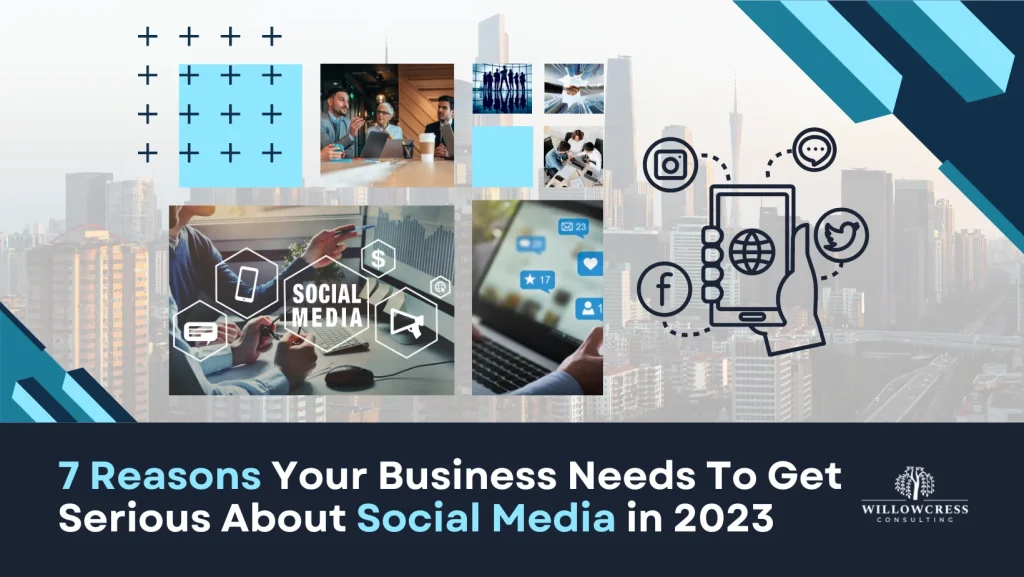
7 Reasons Your Business Needs To Get Serious About Social Media in 2023 ✨

Why Social Media? In today’s digital age, social media has become an essential tool for businesses to reach and engage with their target audience. With billions of people using social media platforms, businesses can tap into a large audience and increase brand awareness and reach. Additionally, social media marketing is cost-effective and can drive more traffic to a business’s website, improve customer engagement, provide better customer insights, and improve search engine rankings. Furthermore, it can give you a competitive advantage in the market. 7 reasons why having a strong social media presence is important in 2023 1. Increased brand awareness and reach One of the main advantages of having a strong social media presence is the ability to increase brand awareness and reach. With billions of people using social media platforms, businesses can tap into a large audience and increase the visibility of their brand. By creating engaging and relevant content, businesses can attract new followers and customers, and increase the likelihood of their content being shared, which can further increase brand awareness and reach. 2. Cost-effective marketing Another advantage of social media is that it is a cost-effective marketing strategy. Unlike traditional forms of advertising, such as television, radio, and print ads, social media marketing does not require a large budget. With a small budget and the right strategy, businesses can reach a large audience and achieve their marketing goals. 3. Improved customer engagement Social media platforms provide businesses with the opportunity to engage with their customers in real-time. By responding to customer inquiries, comments, and feedback, businesses can improve the customer experience and build trust and loyalty. Additionally, businesses can use social media to run contests, polls, and other interactive content to increase engagement and drive more leads. 4. Better customer insights Social media platforms provide businesses with valuable insights into their customers’ preferences, demographics, and behavior. By analyzing social media data, businesses can gain a better understanding of their target audience and create more effective marketing campaigns. 5. Increased website traffic Social media can also drive more traffic to a business’s website. By including links to their website in their social media posts, businesses can direct followers to their site, where they can learn more about the business and its products or services. 6. Improved search engine rankings Social media can also improve a business’s search engine rankings. By creating engaging and relevant content and building a strong following on social media, businesses can increase the likelihood of their content being shared and generate backlinks to their website. Backlinks are an important ranking factor in search engine algorithms and can help to improve a website’s visibility in search engine results pages. 7. Competitive advantage As more and more businesses are turning to social media to reach their target audience, having a strong social media presence can give businesses a competitive advantage. By building a strong following and engaging with customers, businesses can stand out from the competition and attract more customers. Social Media Is More Important Than Ever In conclusion, having a strong social media presence is important for businesses in 2023. With billions of people using social media platforms, businesses can tap into a large audience and increase brand awareness and reach. Alongside a strong SEO strategy and a correctly built-out website, social media can become a powerful tool to grow your business. Additionally, social media marketing is cost-effective and can drive more traffic to a business’s website, improve customer engagement, provide better customer insights, and improve search engine rankings. Furthermore, it can give a competitive advantage in the market. It is essential for businesses to invest in a strong social media strategy in order to stay competitive in today’s digital landscape. WillowCress is a premier SEO agency that has helped businesses in Milwaukee and throughout the Midwest grow since 2020. WillowCress is here to help you develop and execute a tailored Social Media Strategy for your business. Schedule a free, no-obligation consultation today.

Newsletter

Subscribe now

Subscription Form

About Our Company

WillowCress Consulting
Address: Milwaukee, WI, 53110
Phone: (217) 621-5910

2023 WillowCress Consulting. All rights reserved. 

Scroll to Top